
Rotator Cuff Injury Treatment in Oshawa
Relief for shoulder pain, weakness and difficulty lifting — targeted, often non-surgical rehab for rotator cuff strains and tears.
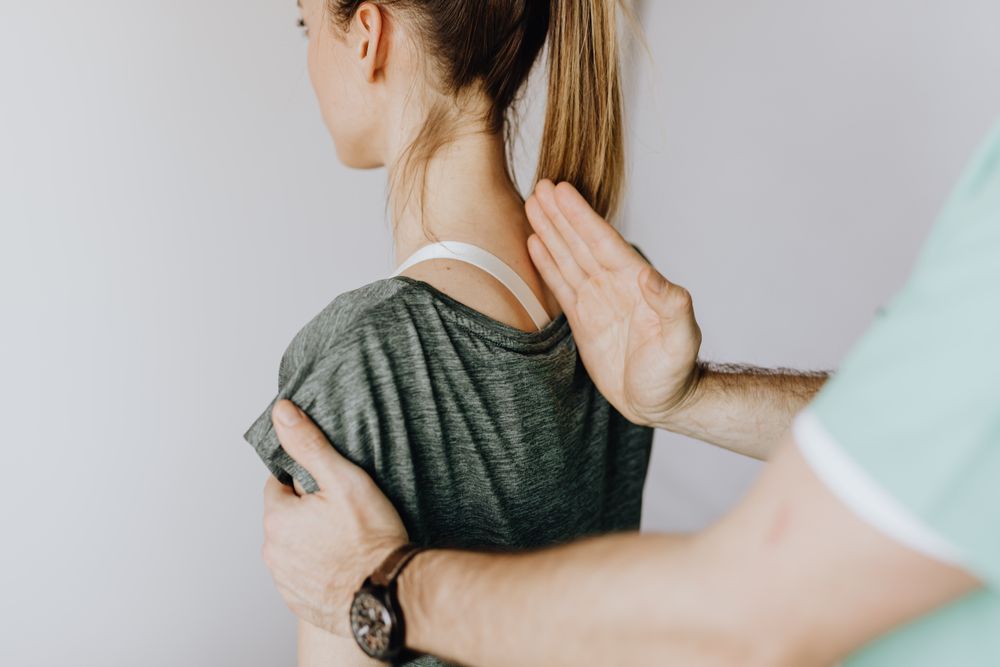
What is a rotator cuff injury?
The rotator cuff is a group of four muscles and tendons that stabilise your shoulder and let you lift and rotate your arm. Strains, tendonitis and tears of the rotator cuff are among the most common causes of shoulder pain — and most respond well to physiotherapy, often without surgery.
We assess exactly which part of the cuff is involved and why, then rebuild strength and movement so you can reach, lift and sleep without pain.
Common causes of rotator cuff injuries
- Repetitive overhead activity (sport, work, lifting)
- An acute injury or fall
- Age-related tendon degeneration
- Shoulder impingement
- Poor posture and shoulder mechanics
Symptoms we treat
- Pain when lifting or reaching overhead
- Weakness in the arm
- Night pain or trouble sleeping on the shoulder
- Difficulty with everyday tasks like dressing
- Clicking or catching in the shoulder
How we treat rotator cuff injuries in Oshawa
Your plan targets the injured tissue and the cause, and may include:
- Manual therapy and joint mobilization
- Progressive rotator cuff and scapular strengthening
- Activity modification and load management
- Shockwave therapy for calcific tendonitis
- Pre- and post-surgical rehabilitation when needed
Care is led by our physiotherapy and shockwave therapy teams.
What to expect
Most rotator cuff problems — including many partial tears — improve with a progressive strengthening program, avoiding the need for surgery. When surgery is required, physiotherapy before and after leads to a stronger recovery.
Frequently asked questions about rotator cuff injuries
Get your shoulder strong again
Book an assessment and start targeted rotator cuff rehab to relieve pain and rebuild strength.